
BLOGS
Birmingham, AL Relocation Guide: Everything You Need to Know in 2026
Relocation, Birmingham AL relocation guide, Birmingham suburbs
Birmingham, AL Relocation Guide: Everything You Need to Know in 2026
If you’re moving to Birmingham Alabama 2026, expect a mid-sized Southern city with a growing job market, affordable housing, strong healthcare and education, and Birmingham suburbs like Hoover, Vestavia Hills, Mountain Brook, Homewood, and Trussville that offer some of the best areas to live in Birmingham AL for families, young professionals, and retirees—all within a 20–30 minute drive of downtown and the airport.
Meta Title: Birmingham, AL Relocation Guide 2026: Moving to Birmingham Alabama Explained
Meta Description: Planning on relocating to Birmingham Alabama in 2026? Discover cost of living, best Birmingham suburbs, jobs, schools, weather, and step-by-step moving tips in this complete Birmingham AL relocation guide.
Meta Keywords: moving to Birmingham Alabama 2026, Birmingham AL relocation guide, relocating to Birmingham Alabama, Birmingham suburbs, best areas to live in Birmingham AL
Why People Are Moving to Birmingham in 2026
In 2026, Birmingham is on many shortlists for people seeking a lower cost of living without sacrificing culture, healthcare, or career options. The metro’s economy is anchored by healthcare and education—especially the University of Alabama at Birmingham (UAB), the region’s largest employer with roughly 23,000 employees—along with banking, manufacturing, and logistics. That mix provides surprising job diversity for a city of its size.
Compared with larger Southern hubs like Nashville or Atlanta, Birmingham’s housing remains much more attainable, and commutes are shorter. New arrivals are drawn by revitalized in-town neighborhoods, a thriving restaurant and brewery scene, miles of nearby hiking and biking trails, and a strong sense of community that still feels authentically local rather than overly polished or touristy. If you want big-city amenities with a smaller-city pace, this Birmingham AL relocation guide is for you.
Cost of Living: What Your Money Buys in Birmingham
Multiple sources, including Redfin, Payscale, and Salary.com, place Birmingham’s overall cost of living about 10% below the U.S. average, with housing the biggest savings. For a single person, total monthly expenses generally fall between $2,000 and $2,300. A family of four typically spends around $4,400 to $4,800 per month, including rent or mortgage, according to 2026 data from Expatistan, LivingCost.org, and Salary.com.
- Rent: Average apartment rent is about $1,351 per month—roughly 24% below the national average. A typical one-bedroom runs around $1,184, and a three-bedroom around $1,604, per Apartments.com and Zillow (mid‑2026).
- Utilities: Expect around $230–$240 per month for an 85 m² apartment—slightly higher than national averages, according to Numbeo and Redfin.
- Food: Groceries are roughly on par with the U.S. average, while eating out is modestly lower. A casual restaurant meal averages about $17; a fast-food combo runs around $9–$10.
When you combine below-average housing with slightly lower transportation and healthcare costs, relocating to Birmingham Alabama can create meaningful breathing room in your budget—especially if you’re arriving from high-cost metros on the coasts or in the Northeast.
Best Suburbs and Neighborhoods: Where to Live
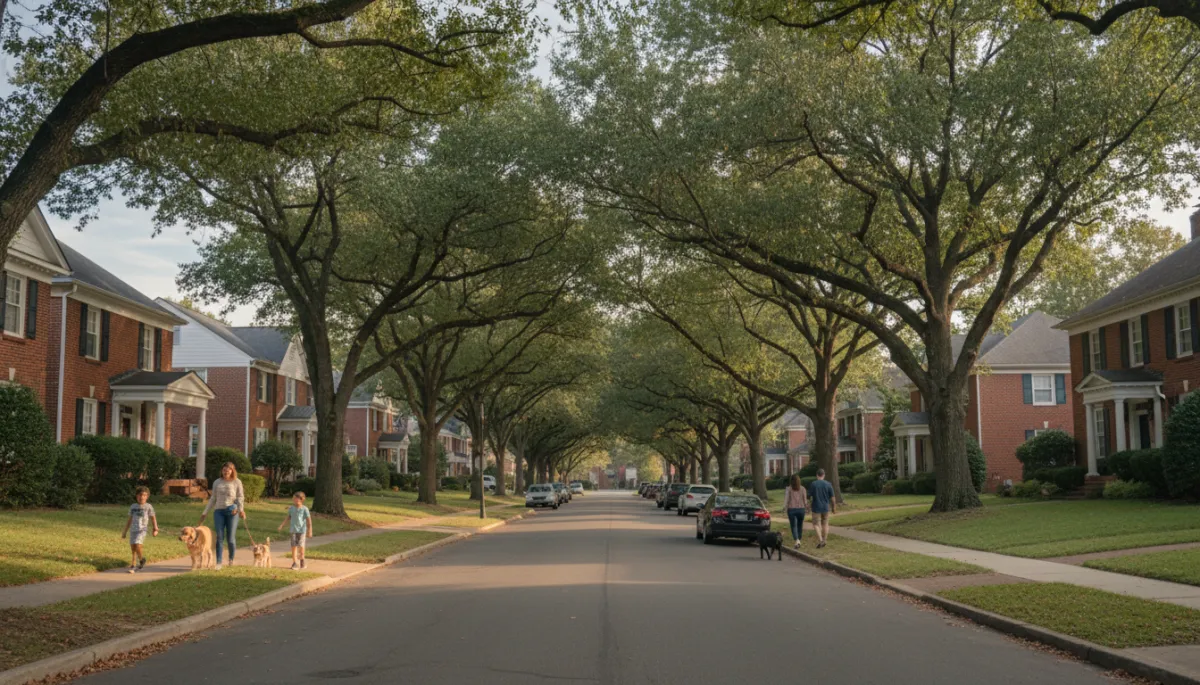
Street-level view of a tree-lined Birmingham Alabama suburb with brick homes, sidewalks,...
The Birmingham suburbs surrounding downtown give you a range of lifestyles—from ultra-walkable villages to spacious, newer subdivisions. Here’s an overview of five of the best areas to live in Birmingham AL if you’re moving in 2026.
Hoover
Hoover, southwest of downtown, is one of the largest Birmingham suburbs and a go‑to choice for families. You’ll find top-rated schools, large shopping centers like Riverchase Galleria, and a wide mix of neighborhoods—from townhomes to golf-course communities. Commutes to downtown typically run 20–30 minutes via I‑65 or I‑459, depending on traffic and your exact location.
Vestavia Hills
Just south of Birmingham, Vestavia Hills is known for excellent public schools, hilly, wooded neighborhoods, and convenient access to both downtown and Highway 280’s office corridors. Many relocating professionals choose Vestavia for its balance of suburban quiet and central location, plus an active youth sports and community events calendar.
Mountain Brook
Mountain Brook is one of the metro’s most prestigious areas, with winding, tree-lined streets, beautiful older homes, and charming village centers like Crestline and Mountain Brook Village. Schools are consistently among the highest rated in Alabama. Home prices reflect the demand, so Mountain Brook is ideal if you prioritize schools, walkable “village” living, and long-term home value.
Homewood
Directly south of downtown, Homewood blends historic bungalows with newer construction, all wrapped around a lively main street in SoHo and Edgewood. It’s popular with both young families and UAB professionals who want a short commute, strong schools, and walkable restaurants and shops. Homes can move quickly here, so work with a local expert if Homewood is on your shortlist.
Trussville
Northeast of Birmingham along I‑59, Trussville has grown rapidly, attracting families seeking newer homes, good schools, and plenty of parks. The Trussville Entertainment District adds dining and nightlife, while still maintaining a small-town feel. Commutes to downtown are usually 20–30 minutes in normal traffic.
Job Market and Major Employers
Birmingham’s 2026 job market is anchored by healthcare, education, finance, manufacturing, and logistics. According to Jefferson County’s 2025 financial report and Alabama labor data, total nonfarm employment in the Birmingham metro is around 568,000, with especially strong education and health services, professional services, and government sectors.
- Healthcare & Education: UAB and UAB Hospital (about 23,000 employees combined), Children’s of Alabama, Brookwood Baptist Health, Ascension St. Vincent’s, Blue Cross Blue Shield, and the Birmingham VA Medical Center are major employers.
- Finance & Corporate: Regions Financial (around 7,100 employees), Alabama Power, Protective Life, EBSCO Industries, and other corporate headquarters provide white-collar roles.
- Manufacturing & Logistics: Mercedes‑Benz, Honda, and a cluster of automotive suppliers, plus Amazon’s fulfillment center in nearby Bessemer (1,500+ jobs), underpin a solid blue‑collar and logistics base.
For many professionals, relocating to Birmingham Alabama means access to a nationally respected medical and research hub, plus steady growth in tech-adjacent and professional services roles without the intense competition of larger markets.
Weather, Lifestyle, and Things to Do

View of people enjoying an outdoor festival in downtown Birmingham Alabama, food trucks, string...
Birmingham has a humid subtropical climate: hot summers, mild winters, and long shoulder seasons that keep patios and parks busy much of the year. Summer highs often reach the upper 80s and 90s with humidity; winters are typically in the 40s–50s with only occasional light snow or ice. If you’re coming from a colder climate, you’ll appreciate how much of the year you can be outside.
- Outdoors: Explore Red Mountain Park, Ruffner Mountain, Oak Mountain State Park, and the Rotary Trail. Mountain biking, hiking, and trail running are all popular weekend activities.
- Food & Drink: Birmingham’s food scene punches above its weight, with James Beard–recognized chefs, a strong barbecue tradition, and a thriving craft beer community in Avondale, Lakeview, and beyond.
- Culture: The Birmingham Civil Rights Institute, Alabama Theatre, Protective Stadium, and a busy calendar of festivals and concerts keep the city’s calendar full.
Birmingham Airport and Commuting Around the Metro
Birmingham-Shuttlesworth International Airport (BHM) sits just northeast of downtown and is usually a 10–20 minute drive from most central neighborhoods. It offers nonstop flights to major hubs like Atlanta, Dallas, Charlotte, and Chicago, making national and international connections relatively simple, even if you often connect through a larger airport.
Public transit is limited, so most residents rely on cars. Commutes from Birmingham suburbs like Hoover, Vestavia Hills, Homewood, Mountain Brook, and Trussville generally run 15–30 minutes, depending on rush hour and your route. Major corridors include I‑65, I‑20/59, I‑459, and Highway 280. When choosing where to live, map your daily commute at typical drive times—it can dramatically change how a neighborhood feels day to day.
Tips for Relocating from Out of State: Timeline & Logistics
90–60 Days Before Your Move
- Research Birmingham suburbs and in-town neighborhoods; decide whether you’ll rent first or buy immediately.
- Get quotes from at least three licensed, insured movers; ask about experience with interstate relocations into Alabama.
- If you have children, start reviewing school zones for Hoover, Vestavia Hills, Mountain Brook, Homewood, Trussville, or your preferred district.
45–30 Days Before You Move
- Lock in your mover and confirm dates, inventory, and insurance coverage in writing.
- Set up or transfer utilities for your Birmingham home: Alabama Power (electric), Spire (gas), local water works, internet, and trash service where applicable.
- Begin school enrollment paperwork; most districts require proof of residence, immunization records, and prior transcripts.
Arrival Week in Birmingham
- Complete walk-through of your new home, document any issues, and verify all utilities are working properly before movers depart.
- Visit your children’s school, meet administrators, and confirm start dates and bus routes if applicable.
- Update your address, get an Alabama driver’s license, and register your vehicle with the county.
How to Choose the Right Birmingham Neighborhood for Your Lifestyle
The best neighborhood for you depends on your priorities. Use these guiding questions as you narrow down options within the Birmingham suburbs and in-town areas:
- Commute: How far are you comfortable driving daily to UAB, Regions, the airport, or another major employer? Homewood, Mountain Brook, and Vestavia offer short commutes; Hoover and Trussville trade a bit more drive time for larger homes and newer developments.
- Schools: If schools are top priority, focus on Homewood, Vestavia Hills, Mountain Brook, Hoover, and Trussville, all known for strong public systems.
- Walkability vs. Space: Prefer sidewalks, coffee shops, and parks within walking distance? Homewood, parts of Mountain Brook, and some in-town neighborhoods may be ideal. Want more land and a newer home? Look to Hoover or Trussville.
A local relocation specialist can help you match your lifestyle and budget to specific streets and subdivisions, which is especially valuable if you’re relocating to Birmingham Alabama from several states away and can’t visit multiple times.
Birmingham Relocation FAQ
- Is Birmingham, AL a good place to live in 2026?
Yes. With a cost of living about 10% below the U.S. average, strong healthcare and education employers, and revitalized neighborhoods, Birmingham is an appealing option for families, young professionals, and retirees in 2026. - What are the best areas to live in Birmingham AL for families?
Many families choose Hoover, Vestavia Hills, Mountain Brook, Homewood, and Trussville for their strong schools, parks, and community feel. Each offers different price points and commute times. - How much does it cost to live in Birmingham?
A single person typically spends $2,000–$2,300 per month, and a family of four spends around $4,400–$4,800, including housing, utilities, food, and transportation, based on 2026 data from Expatistan, LivingCost.org, and Salary.com. - Is it better to rent or buy when first moving to Birmingham?
If you’re unfamiliar with the area, renting for 6–12 months can be wise while you learn which Birmingham suburbs and school zones fit you best. If you already know your preferred area and plan to stay long term, buying can lock in today’s prices in a still-affordable market. - What is the weather like, and will I need severe weather plans?
Birmingham has hot, humid summers and mild winters. Spring can bring severe thunderstorms and occasional tornado risks, so having a weather app, a safe interior room, and a basic emergency kit is recommended, as it is across much of the Southeast. - How early should I start planning my move to Birmingham?
Ideally, begin planning 90 days before your move: research neighborhoods, talk with a relocation specialist, and get moving quotes. By 45 days out, you should have movers booked, utilities planned, and school enrollment underway.
Ready to Start Your Birmingham Move?
Moving to Birmingham Alabama 2026 can be the start of a more affordable, more balanced life—with solid career options, welcoming neighborhoods, and plenty to do on evenings and weekends. The key is choosing the right area, understanding your costs, and having a clear relocation plan so your first months here feel exciting instead of overwhelming.

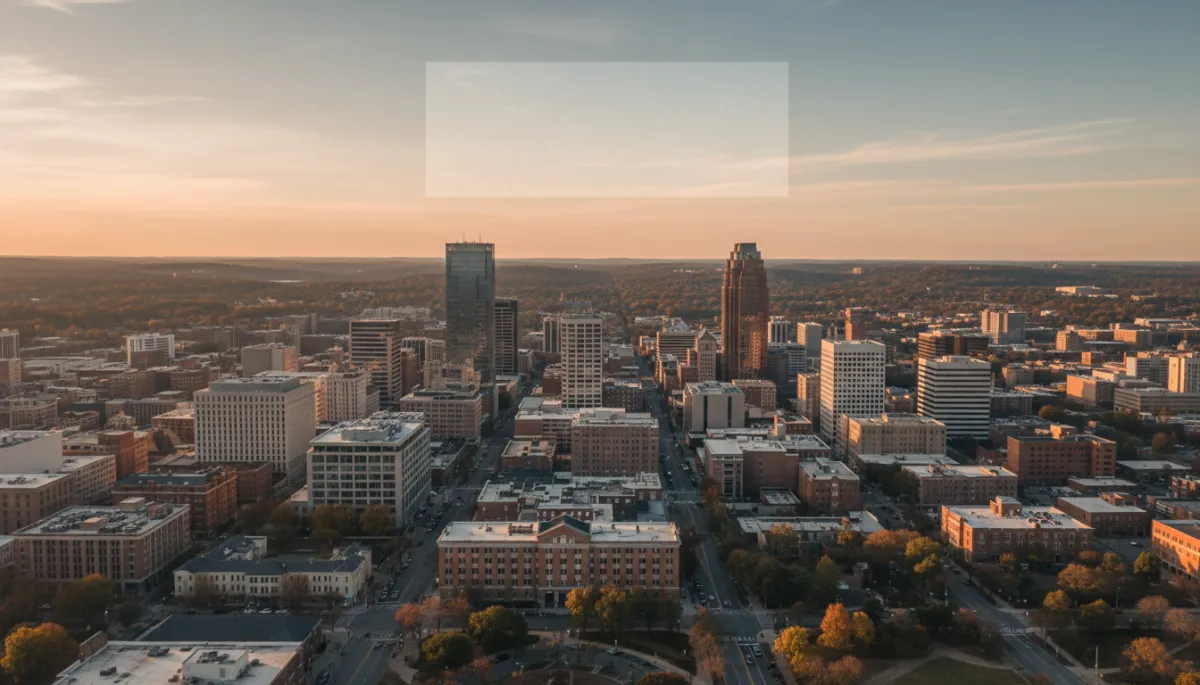
Sunset view from a Birmingham Alabama hillside neighborhood overlooking the city skyline,...
For personalized guidance on neighborhoods, schools, and pricing—and to avoid common relocation mistakes—book a free 15‑minute relocation call with local expert Benny Roberts at bennyroberts.com. A short conversation now can save you hours of research and help you feel confident that Birmingham truly fits the next chapter of your life.

PROCESS

BUYER'S PROCESS
Finding and making an offer on the right house can be complicated….and it just gets more involved as you move through the inspection, appraisal, and financing phases of the purchase. I specialize in streamlining these processes to make your experience as smooth as possible.
BUYER’S FAQs
What do I need to do before I start looking for a home?
You will first need to contact a lender and obtain a financing pre-approval letter. This will help you know how much you can afford and will help us tailor our search in finding your next home! Additionally, many sellers require that a preapproval letter accompany the offer or be submitted quickly after the offer is accepted, so it makes sense to already have one ready!
What happens after my offer is accepted?
Acceptance of the offer is only the beginning! Once your offer is accepted by the seller, the home inspection, septic (if necessary) inspection, and appraisal will all take place. I will help you understand and negotiate through each step as you get closer to closing day.
What is Earnest Money?
Earnest money is a “good faith deposit” that you put down once your offer is accepted. This money is usually held by the Seller’s broker in a non-interest bearing escrow account. If you decide not to move forward with the purchase due to contingencies outlined in the contract, the seller will release the earnest money back to you. Both parties must agree to release the earnest money.
What are closing costs and who pays for them?
Closing costs are the fees and costs that are associated with finalizing or “closing” the sale of your property. Closing costs include (but are not limited to) the appraisal fee, lender fees (such as credit report fee, loan origination fee, flood certification fees, and underwriting fees), taxes, title fees, and insurance. This is another reason to talk to a lender prior to looking for a home. Your lender will be able to take all of these extra items into account when you are deciding how much you can spend. Some closing costs are paid by the seller and some are paid by the buyer. The contract will determine who pays for what costs. It is not uncommon for buyers to ask sellers to pay for a portion of the closing costs.
SELLER'S PROCESS
Selling your home can be a daunting task. Valuing your home, getting it ready to show, managing the showing process, and negotiating offers is time consuming and can be complicated. I take care of all aspects of helping you navigate the process successfully.
Listing & Marketing
As I’m pricing and staging your home, I also develop a strategic marketing plan to target the right prospective buyers. Your home will have immediate interest and activity via inclusion in the multiple listing service (MLS) and on websites such as Zillow, Trulia, and Realtor.com. However, I take additional measures to make sure your listing gets highlighted to Realtors who have active buyers in your area. I have a very broad network and I send out targeted texts, emails, and/or phone calls in order to contact the right people with the right information. I work to create urgency and competition amongst qualified prospects so you can have the best chances at getting offers from qualified and competitive buyers.
Analyzing & Negotiating
Once you have started fielding offers, I diligently review them and help you analyze and understand the key terms. I carefully work with you to formulate a well-supported counter offer so that your price and terms are the very best possible.
Closing
I understand the stress and logistics of selling your home. My goal is to help you coordinate all the pieces of the closing and follow through on them so your process can be as stress free as possible. I work diligently with lenders and other vendors to help you close seamlessly and on time.
SELLER'S FAQs
What is the most important factor in selling?
Optimized pricing – Even in a seller’s market, if your home isn’t priced correctly, it will likely sit on the market. Homes that sit on the market for an extended time tend to lose momentum. I will provide you the tools and advice to prevent this from happening.
How do I value my home?
Recent comparable transactions is the primary item. I will gather and analyze the data to help you optimize the list price of your home. Two of the most important factors in selling your home are price and condition. I understand how to properly value your home and can price your home based on the market, your needs, and timeline. I will also advise you on how to stage your home to maximize appeal.
What do I need to do before I put my house on the market?
The first step that everyone needs to do is to declutter. Even the neatest of homes has the occasional closet or corner that could use a little organization. Buyers will be looking at every corner of your home, so make sure it’s ready to show!
Secondly, you will need to make sure your home is very clean. If a home isn’t well kept, buyers can focus on the dirt and won’t see the other features.
Finally, stage your home to sell. I am experts at this and would love to help you! Sometimes furniture rearrangements and accessorizing with item such as good lighting can do wonders to homes attractiveness. Remove excess personal photos and personal items, streamline countertops, and remove items that you don’t use every day. Open and clean space help home’s appeal to buyers.
Past Clients





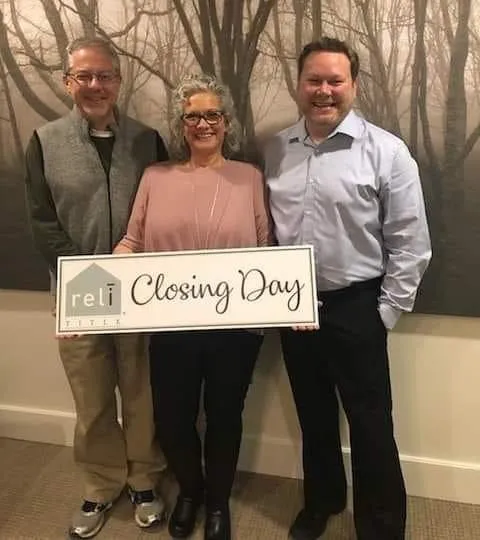



Raving Fans
Bottom Line:
We are going to get the job done properly for you and not let you down. Period.
There is no risk and no obligations, just expert and friendly advice!