
Real Estate Agent Training in Alabama — Licensing Requirements, Education, and How to Get Started
Real Estate Careers, Licensing Education
What Training Do Real Estate Agents Receive?
If you are considering a real estate career in Alabama, understanding the training process from start to finish is essential. From pre-licensing classes to post-licensing and continuing education, real estate agent training in Alabama follows a structured path designed to protect consumers and prepare you for a competitive marketplace.
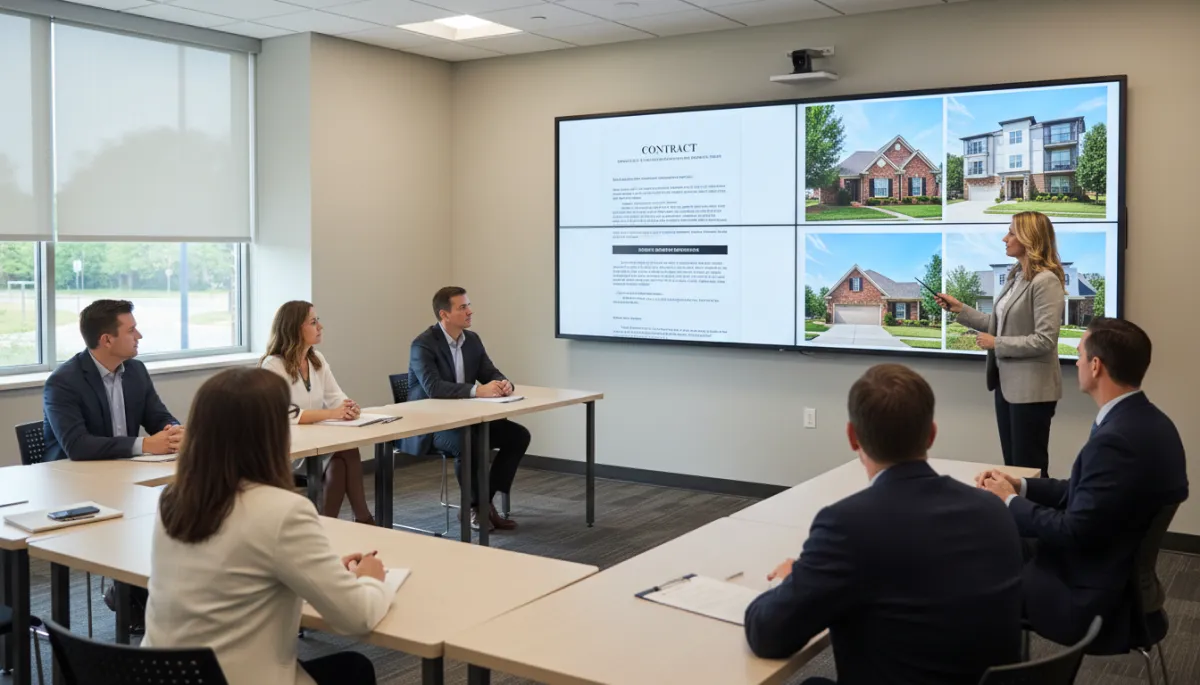
Overview of Real Estate Agent Training in Alabama
Real estate agent training Alabama is governed by the Alabama Real Estate Commission (AREC). The Commission establishes minimum education standards, approves schools, and oversees licensing. While individual schools may differ in teaching style and course materials, the core curriculum and hour requirements are consistent statewide, ensuring that every new licensee meets the same professional baseline.
Training generally unfolds in three stages: pre-licensing education, post-licensing education, and ongoing continuing education. Each stage builds on the previous one, moving you from foundational knowledge to applied skills and long-term professional development.
Realtor Education Requirements: The Pre‑Licensing Phase
Before you can sit for the state licensing exam, you must complete the state-mandated pre-licensing coursework. These realtor education requirements are designed to introduce you to the legal, ethical, and practical foundations of real estate practice in Alabama. Although specific hour requirements can change, they typically include a substantial classroom or online component delivered through an approved real estate school.
- Real estate principles and practices: Basic terminology, roles, and responsibilities of licensees.
- Alabama license law: State-specific rules governing brokerage relationships, advertising, and disciplinary actions.
- Contracts and agency: How to work with buyers and sellers, present offers, and manage obligations to clients and customers.
- Property ownership and transfer: Deeds, titles, encumbrances, and the closing process.
- Real estate math: Prorations, commissions, financing calculations, and investment basics.
Many aspiring agents choose a school close to home for convenience. For those in the Birmingham metro area, real estate coursework Hoover often includes evening and weekend options, as well as online formats, making it easier to balance training with current work or family obligations. Regardless of format, the pre-licensing course culminates in a school exam that you must pass before registering for the state licensing test.

Consistent study habits during pre‑licensing dramatically improve first‑time exam pass rates.
Passing the Exam and Joining a Brokerage
After completing your pre-licensing education, the next step is the Alabama state licensing exam. Your real estate agent training Alabama program will typically include exam preparation, such as practice tests and review sessions. These resources help you become comfortable with the exam format and focus on areas where you may need additional review, such as state law or math problems.
Once you pass the exam and meet background and application requirements, you will receive your temporary license. At this stage, training shifts from the classroom to the brokerage environment. Most new agents affiliate with a sponsoring broker who provides additional guidance, mentorship, and practical tools such as transaction management systems, listing platforms, and marketing resources. This brokerage-based training is where you learn how to apply your education to real clients and real transactions.
Post‑Licensing Education: Building Practical Competence
Alabama also requires new licensees to complete post-licensing education within a specified time frame after receiving their temporary license. While pre-licensing focuses on foundational knowledge, post-licensing courses are more applied and transaction-oriented. They often cover topics such as listing presentations, buyer consultations, negotiation strategies, and risk management in greater depth.
In cities like Hoover, post-licensing classes may be offered in concentrated weekend formats or spread across several weeks to accommodate working agents. This is where real estate coursework Hoover can be especially valuable: local instructors understand the dynamics of nearby neighborhoods, pricing trends, and common contract issues in the Birmingham–Hoover market, giving you context you can apply immediately in the field.
Continuing Education and Long‑Term Professional Development
Even after you complete your initial realtor education requirements, your training does not stop. Alabama licensees must complete periodic continuing education (CE) to renew their licenses. CE courses keep you informed about changes in state law, new contract forms, fair housing regulations, and emerging industry trends such as digital marketing, virtual showings, and evolving lending standards.
Many agents go beyond the minimum CE requirements by pursuing designations and certifications through professional organizations. Programs focused on buyer representation, seller counseling, property management, or commercial real estate provide specialized knowledge that can differentiate you in a crowded market. When combined with brokerage-level training and mentoring, this ongoing education creates a strong foundation for a sustainable, long-term career.

Regular training sessions help Alabama agents stay current on laws, contracts, and market shifts.
Choosing the Right Real Estate Coursework in Hoover and Beyond
With multiple schools and formats available, selecting the right program for real estate coursework Hoover and surrounding areas requires careful evaluation. When comparing options, consider accreditation by the Alabama Real Estate Commission, instructor experience, class schedules, and student support resources such as tutoring, exam prep workshops, and job placement assistance.
- Location and format: Decide whether in-person classes in Hoover or flexible online modules best fit your schedule and learning style.
- Instructor background: Look for instructors with recent transaction experience in Alabama markets who can provide real-world examples.
- Student outcomes: Ask about first-time exam pass rates and how the school supports graduates in connecting with local brokerages.
Remember that real estate agent training Alabama is more than a requirement; it is your first professional investment in this new career. Choosing a program that emphasizes clarity, practical application, and ethical practice will serve you well long after you pass the exam.
Bringing It All Together: From Classroom to Closing Table
The path to becoming a successful real estate professional in Alabama is structured but accessible. You begin with state-approved pre-licensing classes, often through reputable providers offering real estate coursework Hoover and throughout the state. You then demonstrate your knowledge on the licensing exam, transition into a brokerage where you receive hands-on guidance, and complete post-licensing education to strengthen your practical skills.
Over time, continuing education and optional designations deepen your expertise and credibility. Throughout every stage, the core realtor education requirements established by Alabama regulators ensure that you are prepared to serve clients ethically, manage complex transactions, and navigate a constantly changing housing market. With a clear understanding of what training real estate agents receive—and a commitment to ongoing learning—you can approach this career path with confidence and a professional mindset from day one.


