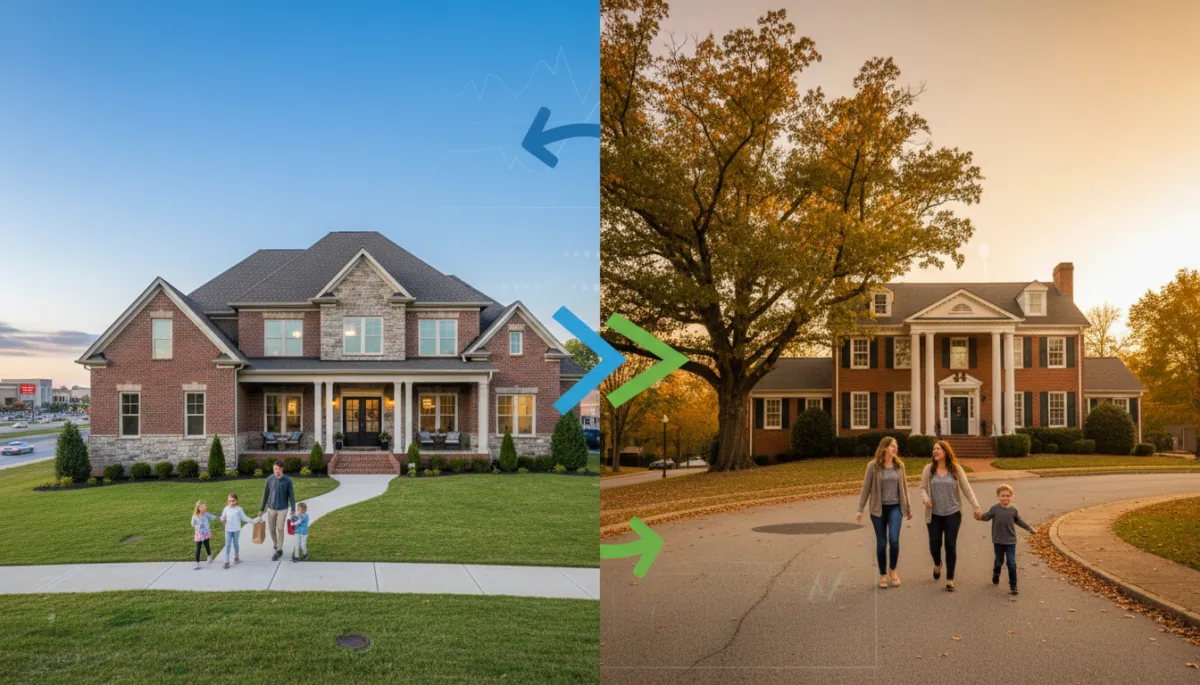
Hoover vs Vestavia Hills: Best Suburb 2026?
Real Estate, Birmingham Suburb Comparison 2026
Hoover AL vs Vestavia Hills — Which Birmingham Suburb Is Better for You in 2026?
Deciding between Hoover and Vestavia Hills is one of the biggest choices buyers face when moving to the Birmingham metro. This 2026 Hoover AL vs Vestavia Hills guide breaks down schools, prices, commutes, lifestyle, and more so you can confidently choose the suburb that fits your life and budget.
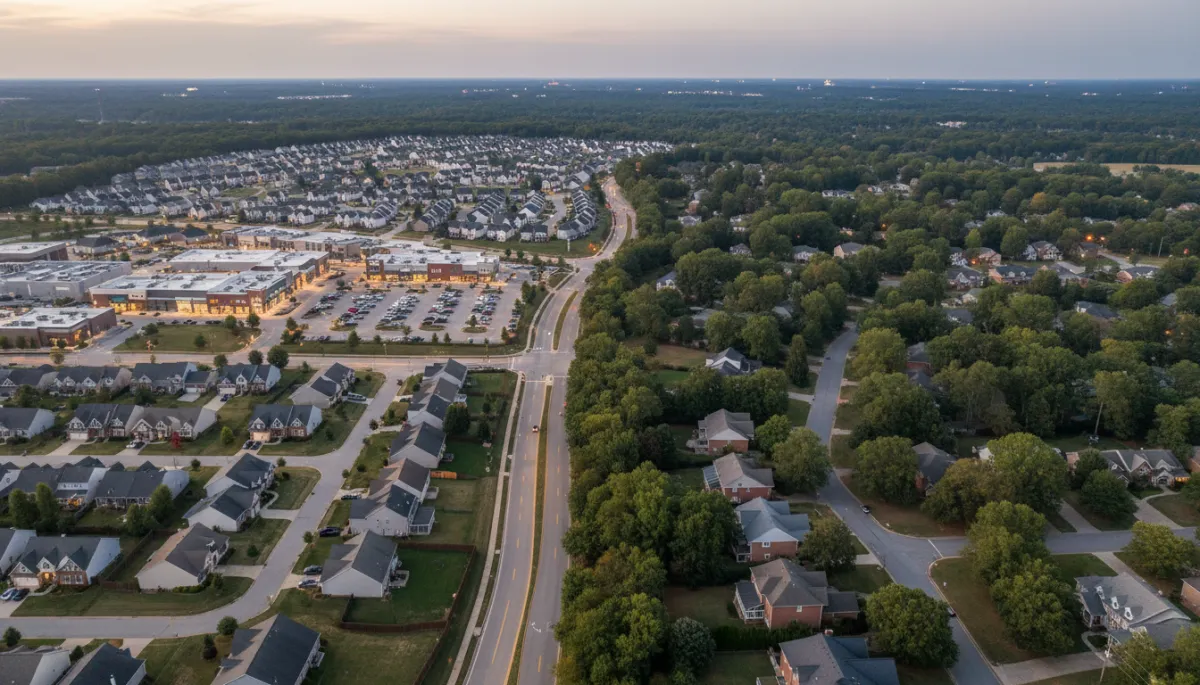
School Districts: Hoover City vs Vestavia Hills City (and Jefferson County)
For many families, schools are the number-one factor in this Birmingham suburb comparison 2026. Both communities are known for strong academics, but they shine in slightly different ways.
Vestavia Hills City Schools are consistently ranked among the very best in Alabama. In the 2024–2025 state report card, the district earned a 97 out of 100 for the third straight year, with all schools scoring an A and an “Accredited with Distinction” rating from Cognia in 2026. Reading proficiency hovers in the mid‑80s to high‑80s and math in the high‑60s to low‑70s, placing Vestavia in roughly the top 1–5% of districts statewide. If your top priority is elite, high-achieving public schools and a deeply involved academic culture, Vestavia Hills clearly delivers.
Hoover City Schools are also highly rated and competitive on a state and regional level, with strong test scores, a wide range of AP and honors offerings, and powerhouse extracurriculars like Hoover High’s athletics and band programs. While Hoover may not match Vestavia’s state report card numbers point-for-point, it offers excellent college prep, modern facilities, and more school options spread across a larger city footprint. For many buyers, Hoover strikes a balance between strong academics and better housing value.
In some fringe areas, you’ll also find pockets zoned to Jefferson County Schools, which are more mixed in performance. If you’re moving to Hoover or Vestavia Hills Alabama, it’s critical to confirm the exact school zoning for any address before you write an offer.
Home Prices in 2026: More House in Hoover, More Prestige in Vestavia
On price, the Hoover AL vs Vestavia Hills 2026 comparison is straightforward: Hoover generally gives you more square footage and amenities for the money, while Vestavia commands a premium for its smaller, more established footprint and top-ranked schools.
In Hoover, recent 2026 data from sources like Zillow, Redfin, and Realtor.com show median sale prices ranging broadly from the low‑$400s to low‑$500s, depending on the metric. A realistic working number for most buyers is around a $448,000 median price, with many popular neighborhoods trading in the mid‑$400s to low‑$500s. Newer construction and amenity-rich communities can push higher, but you still tend to get generous square footage, garages, and neighborhood amenities for that price point.
Vestavia Hills, by contrast, typically starts higher and climbs quickly. In 2026, it’s reasonable to expect a median price in the low‑to‑mid $520,000s and up, especially for move‑in‑ready homes in core Vestavia Hills City Schools zones. Classic brick homes on tree-lined streets, proximity to Highway 31 and Shades Mountain, and the district’s academic reputation all contribute to that premium. You may pay six figures more in Vestavia for a home that would be priced lower, or offer more space, in Hoover.
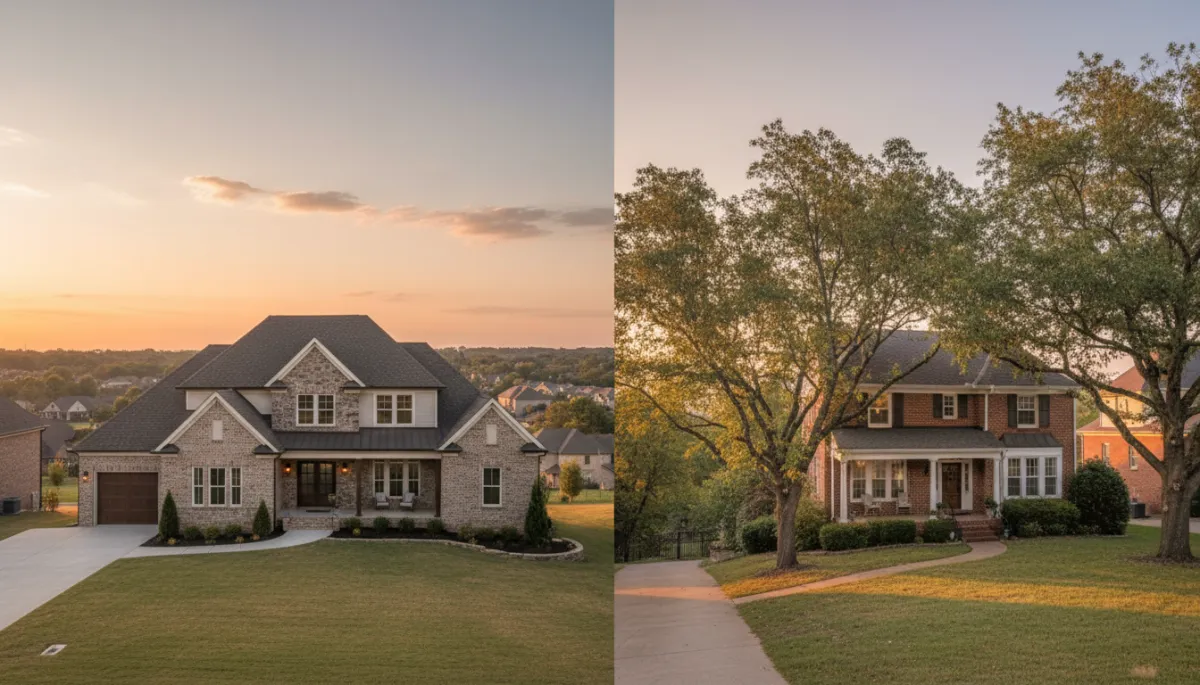
Hoover often delivers more square footage for less than comparable Vestavia homes.
Commute & Access: I‑65 vs Highway 31 and US‑280
When you’re comparing moving to Hoover or Vestavia Hills Alabama, commute patterns matter just as much as distance on a map. Both suburbs offer relatively quick access to downtown Birmingham, UAB, and major employment centers, but they connect in different ways.
Hoover is anchored by I‑65 and Highway 31, with additional access via I‑459. Recent data puts Hoover’s average commute around 22–22.5 minutes. If you live near I‑65 or I‑459, you can usually get downtown or to the medical district in 20–25 minutes outside of the heaviest rush hour. West Hoover and Riverchase benefit from quick interstate access, while east Hoover residents who rely on US‑280 may feel more of that infamous 280 congestion during peak times.
Vestavia Hills hugs Highway 31 and also connects to I‑65 and I‑459, with some areas feeding into US‑280. Average commute time is slightly shorter at about 18.6 minutes, thanks in part to its closer-in location and smaller geography. If daily drive time is your top concern, Vestavia has a modest edge on paper, but the real-world difference between 19 and 22 minutes is often overshadowed by where exactly you live within each city and your specific work destination.
Lifestyle: Newer Amenities in Hoover vs Classic, Tree-Lined Vestavia
Lifestyle is where this Birmingham suburb comparison 2026 becomes less about numbers and more about feel. Hoover and Vestavia both offer safe, family-friendly environments, but the day-to-day experience is distinct.
Hoover leans into a vibrant, newer-suburb vibe. You’ll find major retail like the Riverchase Galleria, Stadium Trace Village, and plenty of national and local restaurants. Master-planned communities such as Lake Wilborn, Blackridge, and Trace Crossings feature resort-style pools, clubhouses, walking trails, and lakes. If you like having shopping, dining, and recreation within a short drive — plus newer parks and sports facilities — Hoover’s lifestyle is a strong fit, especially for active families.
Vestavia Hills offers a more classic, established suburb feel. Think older, tree-lined streets, brick homes with character, and a tight-knit community culture. Local spots along Highway 31, smaller shopping centers, and neighborhood parks give Vestavia a more intimate, small-town-in-the-city atmosphere. The PTA culture is famously strong, with parent involvement baked into school events, sports, and community traditions. If you want deep roots and a “everyone knows everyone” vibe, Vestavia may speak to you more than Hoover’s larger, more spread-out footprint.
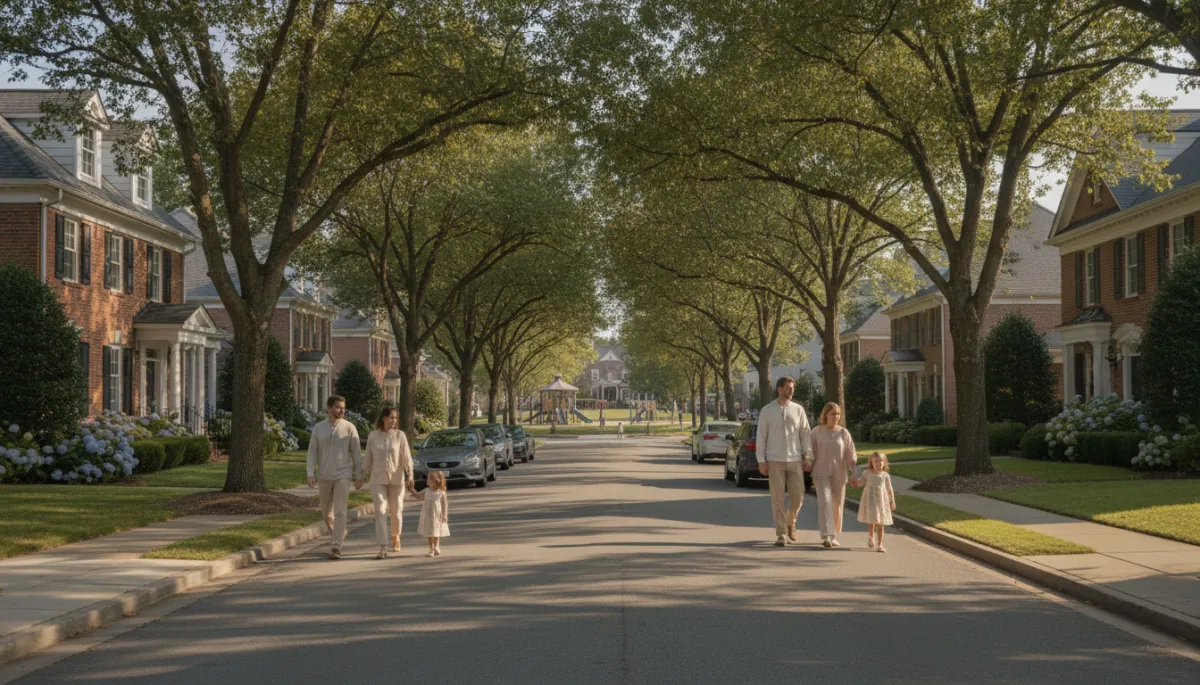
Vestavia Hills offers a classic, close-knit neighborhood feel with mature trees and parks.
Lot Sizes, Neighborhood Styles & HOA Culture
In Hoover, you’ll see a wide mix: traditional subdivisions from the 1980s and 1990s with moderate yards, alongside newer master-planned neighborhoods with smaller lots but big shared amenities. Communities like Lake Wilborn and Blackridge have active HOAs that maintain pools, trails, and common areas and enforce architectural guidelines. If you like uniform curb appeal, neighborhood events, and resort-style features, Hoover’s HOA culture can be a major plus — just be prepared for dues and restrictions on things like fencing, parking, and exterior changes.
Vestavia Hills neighborhoods tend to feature larger, more established lots, especially in older sections on and around Shades Mountain. Yards are often deeper with mature trees and landscaping. While there are HOA-governed communities in Vestavia, many streets have little to no formal HOA presence, relying more on community norms than written rules. That can appeal to buyers who want character, flexibility, and less oversight, though it may mean fewer shared amenities and more variation in how homes are maintained.
New Construction & Growth: Hoover’s Edge
When it comes to new construction, Hoover clearly has more options on the ground in 2026. Large master-planned developments continue to add phases, with builders offering everything from townhomes to luxury lakefront properties. This growth not only gives buyers more choice but also keeps Hoover’s housing stock relatively young and energy-efficient, with open floor plans and modern finishes that today’s buyers expect.
Vestavia Hills, by contrast, has far less land left to develop. New builds do exist — often as infill lots or teardowns replaced with custom homes — but inventory is limited and typically commands a premium. If you absolutely want a brand-new home in the Birmingham metro without a custom-build budget, Hoover is usually the more realistic target.
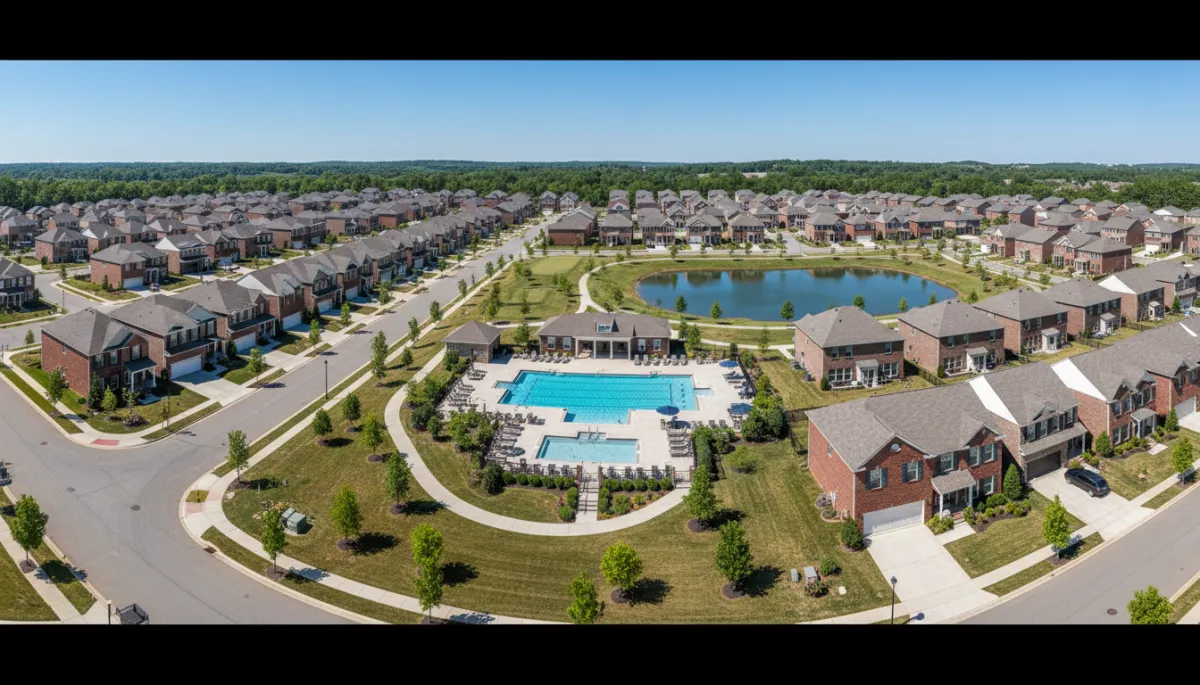
Hoover’s active new construction scene offers modern homes and resort-style amenities.
Final Verdict: Which Birmingham Suburb Is Better for You in 2026?
Both Hoover and Vestavia Hills are excellent choices — you’re not going to “lose” with either. But they do serve slightly different buyers in 2026.
- Choose Hoover if you want more home for your money, access to extensive shopping and dining, a variety of new-construction options, and strong schools in a growing, amenity-rich city.
- Choose Vestavia Hills if you prioritize established prestige, top-tier school rankings, shorter average commutes, and a classic, tree-lined neighborhood feel with deep community roots.
From a purely value-driven standpoint, Hoover often comes out ahead. You can access excellent schools, modern neighborhoods, and a robust retail and dining scene at a lower entry price than comparable homes in Vestavia. For many relocating families and move-up buyers, that combination of affordability plus growth makes Hoover the more compelling long-term play — especially if you’re comfortable with a slightly longer average commute and a larger, more dynamic city environment.
Still, the right answer to “Hoover AL vs Vestavia Hills — which is better?” is ultimately which is better for you. Your lifestyle, commute, school expectations, and budget all matter. A quick online search can’t replace walking the neighborhoods, touring homes, and talking through trade-offs with a local expert who knows both markets street by street.